Our History
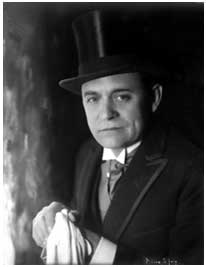
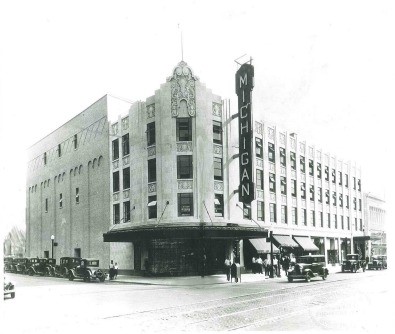
The Frauenthal Center, originally known as the Michigan Theater, was built in 1929 by Muskegon’s own movie mogul, Paul Shlossman. His trademark camel-hair coat, the way his hat tipped over one eye, and his striking demeanor were all clues to Schlossman’s colorful life as a showman.
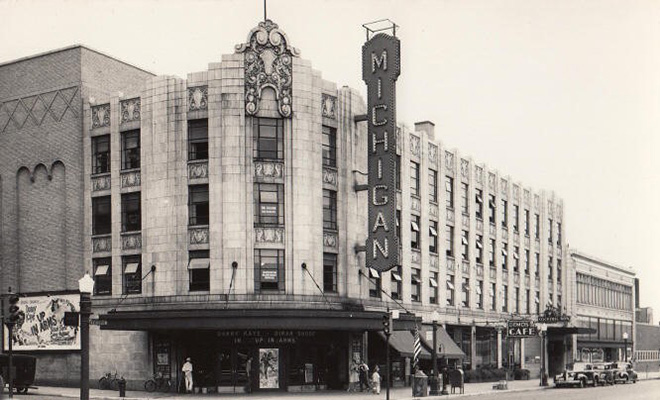
Between 1915 and 1917, the Schlossman Company contracted architect C. Howard Crane to design three of Muskegon’s great theaters – the Rialto, Majestic, and Regent theaters. In 1920, Schlossman’s movie empire expanded when he was appointed secretary-treasurer of the Strand Amusement Company of Muskegon Heights. He ardently built the Strand Theater on Broadway in the Heights.
Along with Crane, Schlossman took a personal interest in the design of the Michigan Theater. Built as a theater for “100% all talking motion pictures,” the cost was $600,000. The theater opened on September 16, 1930 with a showing of "Queen High." An advertisement in the Muskegon Chronicle proudly stated, “With the opening of the new Michigan Theater, Muskegon can boast the best in Michigan, outside of Detroit, and second to none in the United States for a town our size.”
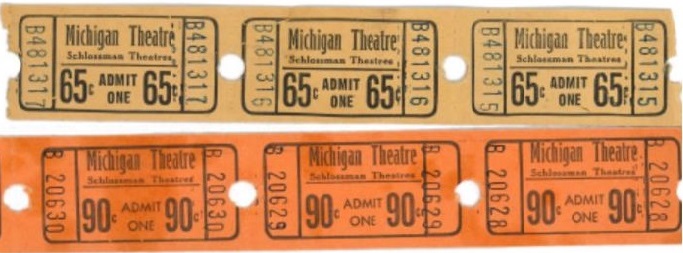
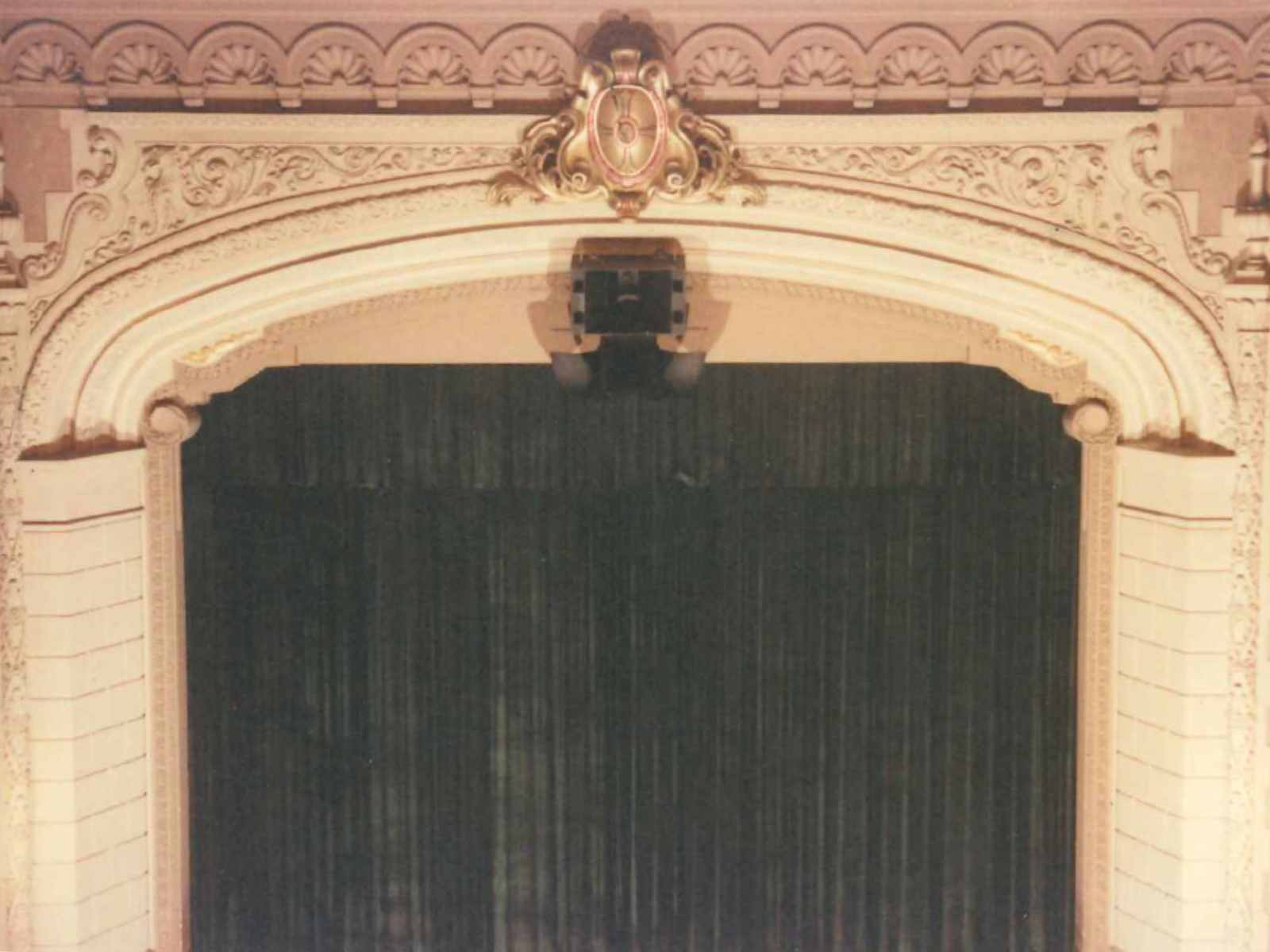
The architectural styling of the theater is Moorish, or Spanish renaissance, and gleamed with extraordinary gold accents, cherubs, and griffins. The ceiling and walls were adorned with beautiful ornamental light fixtures, the carpet and opera chairs covered with rich velour, and the stage enclosed with lipstick red draperies. Many ornate carvings, arches, and intricate plasterwork abound. The ceiling is surrounded by plaster shells and comes to a large acoustic dome, or oculus, in the center. Suspended from the roof hanging by steel wires, the ceiling is not unlike the suspended acoustical ceilings with which we are all familiar.
Almost 30 years since its grand opening, the theater closed for a brief time to be refurbished. Showing wear from almost constant use, the managers at that time thought the theater needed “sprucing up.” Keeping with the tastes of the 50s, they painted over the colorful Spanish Renaissance interior with two muddy shades of beige. Upon reopening, the theater continued to operate as a movie house, even through the unfortunate demise of Schlossman’s company in the late 1960s. Then in the early 70s, the Michigan Theater seemed to have an ill-fated future itself as it stood boarded up.
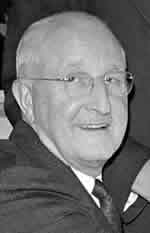
Fortunately, a glimmer of light shined through the boards when an ad hoc group of citizens approached both the City and County of Muskegon to save the beloved theater. Finding no help from the municipalities, and with the wrecking ball ready to swing, the citizen’s group approached the Community Foundation for Muskegon County. The Foundation, small in size at that time, had received a substantial gift from a local industrialist – Mr. A. Harold Frauenthal.
Mr. Frauenthal’s wishes stated that the gift be used for the good of the community, and in 1976, the Community Foundation used the funds to purchase the entire block of West Western Avenue between Third and Fourth Streets. The block included the historic Michigan Theater, an abandoned furniture store, and storage space. The work of establishing the “Frauenthal Center” had begun.
Throughout the late 70s and 80s, the Community Foundation operated the center with a variety of entertainment, including the local symphony, theater, travelogues, movies, concerts, and events by outside promoters. However, a theater designed in 1930 lacked the dressing rooms, backstage areas, and support spaces needed by these presentations. The Community Foundation began transforming the old furniture space into what is now known as the Hilt Building, which houses the 169 seat Beardsley Theater, art gallery, meeting rooms, ballrooms, dressing rooms and reception areas.
Sooner than later, renovation was due once again in the main theater. To this end, in 1992 the Community Foundation funded the creation of a master plan. $16 million in capitol needs were identified and Muskegon County voters were asked to approve a bond issue. Through their generosity, the work began in 1998.
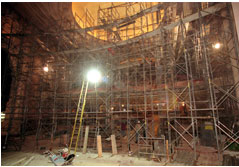
Schlossman and Crane’s vision of a Spanish castle had been restored to the theater, along with many accessibility and safety improvements. All lighting, sound, and rigging was brought up to the highest current technology and was greatly expanded. Additionally, a new two-level lobby was built connecting the foyer of the old theater with the lobby of the Hilt building. The lower level holds a 100-seat event space and additional restrooms, now known as the Frau Lounge.
A regional asset, in 2021, the Frauenthal Theater approached 30 years since its renovation and was showing wear from steady use. The Community Foundation identified more than $5 million in fundamental structural needs, renovation, and preservation that are critical to the theater’s future and use. This needed investment will enhance the experience of patrons and ensure its place in the community for future generations.
Thanks to the support of the City of Muskegon, the Community Foundation for Muskegon County, Howmet Aerospace Foundation, Consumers Energy Foundation, the Grand Haven Area Community Foundation, and local donors, the campaign raised $6.3 million and several improvements have taken place:
- New, historically accurate windows not only reflect architect C. Howard Crane’s original intention and design, but are also double-paned with a UV protective coating to help the facility save on energy costs. In total, 102 windows throughout the facility were replaced.
- The HVAC system was replaced to improve air quality and include its own hot water boiler, condenser unit, humidification, dehumidification, and filtration systems. Prior to the update in 2021, the large air handler room, located above the stage area, had the original blower unit from the construction of the theater in 1929.
- The fire escapes that patrons, artists, and staff use to exit the facility in the event of a fire or emergency were repaired and reinforced.
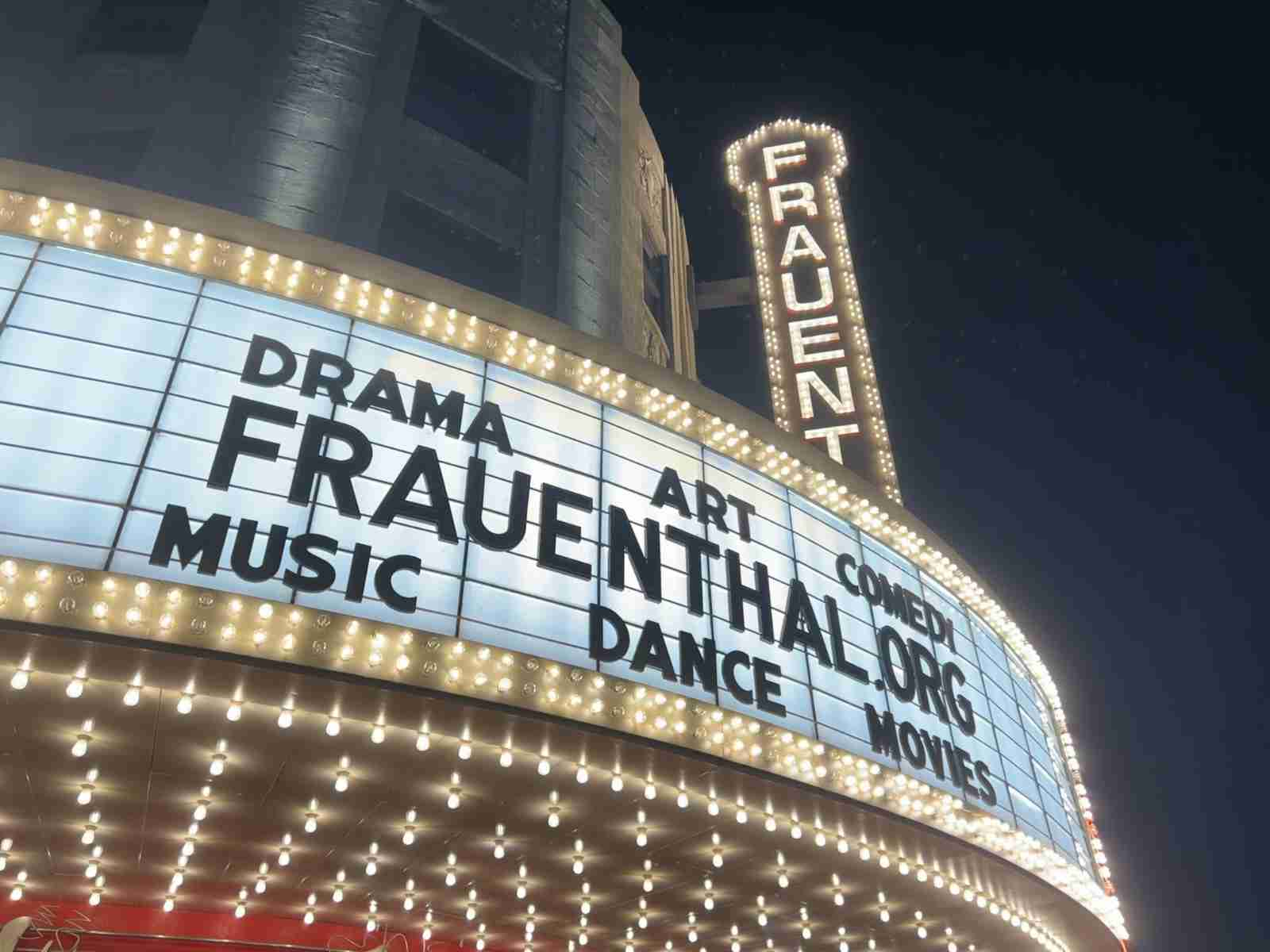
- The renovation of the marquee included fresh paint on the front and sides of the letter board. The underside soffit was sand blasted and power coated. All lighting was updated to LED, apart from the neon, which was also replicated. The two digital signs were upgraded to high resolution screens with the addition of video capabilities. The letter board glass was also replaced, and multiple electrical updates were completed.
- All sidewalks were removed, starting from the Hilt Building on Western Avenue and wrapping all the way around to the alley on Third Street. In stages, a heated glycolic loop snow melting system was installed and new sidewalks were poured, preserving the stamped and colored concrete.
Planned improvements in the summer of 2023 included an updated sound and video system, upgraded lighting equipment, and replacement of the stage.
Continuing to improve the quality of life for the residents of Muskegon County, the Community Foundation for Muskegon County remains committed to the Frauenthal Center and its future development. Many exciting performances continue to grace the stage of the Frauenthal Theater.
THE BARTON ORGAN
The Frauenthal Center’s historic Barton Organ has a rich and resilient history, dating back nearly a century.
Originally built in 1927 for the Regent Theater, the organ accompanied silent films during the golden age of cinema. Constructed by the Wangerin Organ Company of Wisconsin, a frequent partner of the Barton Organ Company during a period of high demand, it began as a two-manual, six-rank instrument.
After a 1928 fire destroyed the Regent Theater organ’s electrical control system, the instrument was left unusable. When the Michigan Theater opened in 1930 as Muskegon’s premier entertainment venue, it initially featured little need for an organ due to the rise of “talking pictures.” Because Schlossman owned both theaters, the decision was made to have the Barton Organ Company remove and expand the original instrument. A new console and two additional ranks were added, creating a three-manual, eight-rank organ, which was then installed in a single chamber in the new Michigan Theater.
The organ entertained theater patrons for nearly 30 years before falling into disrepair. In the 1960s, the West Michigan Theater Organ Society was formed to restore the Barton organ. Stan Stone cared for the instrument for more than three decades, even bringing it back to life after roof leaks threatened permanent damage. He was later joined by Jim Fles, and together they restored and expanded the organ by adding a second chamber on the right side of the theater, effectively doubling its size during the theater’s 1995–1998 restoration.
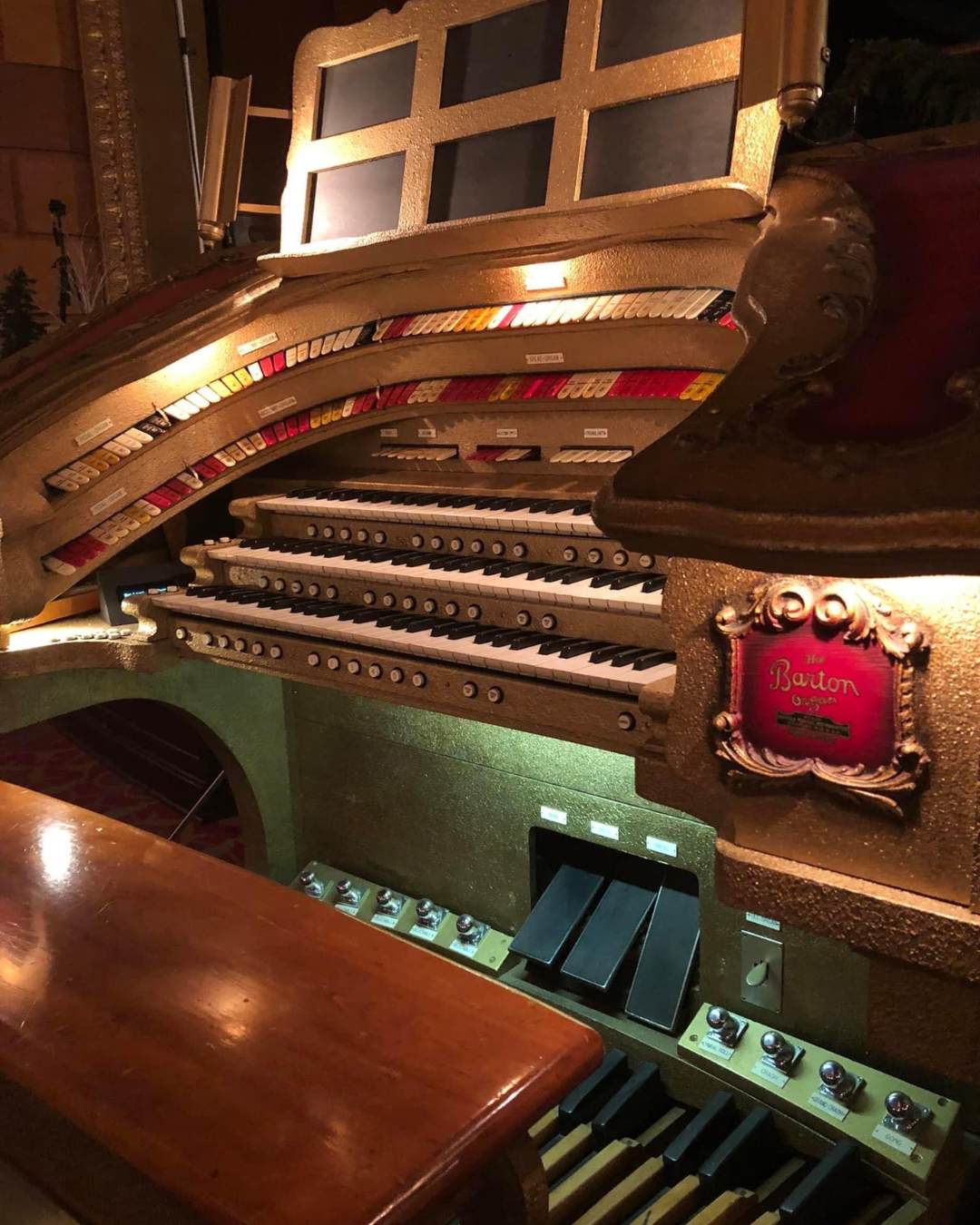
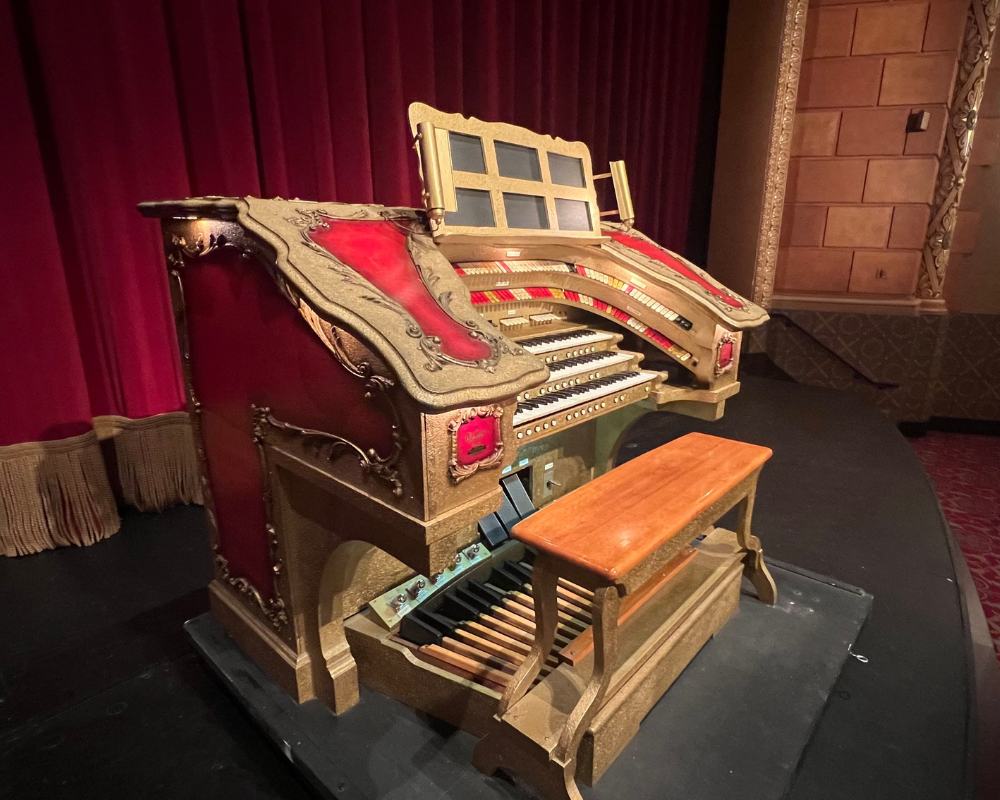
In 2019, a roof leak caused damage to a portion of the organ’s pipe chamber. The Community Foundation for Muskegon County, which owns and operates the theater, engaged the Buck Organ Company of Lowell, Michigan, to assess the damage and perform necessary stabilization, repair, and preservation work on affected components of the organ. The work was overseen by Jim Fles and Bill Worthy, with restoration services provided by Andy Struble and Paul Verwys of the Buck Organ Company.
Today, the Barton Organ remains a treasured part of the Frauenthal Theater experience; a powerful reminder of the building’s history and its role as a place of escape, entertainment, and community for nearly a century.
More
Resources
Select below to learn more about the Community Foundation or our team.